Why SWAAADO Advocates for Simplified Licensing Processes for Waterways Operators
Special Report, Waterways Safety Campaings waterways safety campaignWhy SWAAADO Advocates for Simplified Licensing Processes for Waterways Operators With Limited Formal Education
By Oghenewoke Onoriode, Waterways News Correspondent
On a humid morning in Lagos, where the hum of boat engines and the splash of murky waters paint a familiar picture of Nigeria’s bustling waterways, Mr. Osaweren O. Larry sat across from our correspondent with the calm but resolute disposition of a man on a mission. As the Head of Desk, Training and Campaign of the Sustainable Waterways Awareness Advancement and Advocacy Organization, popularly known as SWAAADO, he had a story to tell — one that touches the lives of thousands of men and women who navigate Nigeria’s inland waterways daily, often without a single certificate to their name.
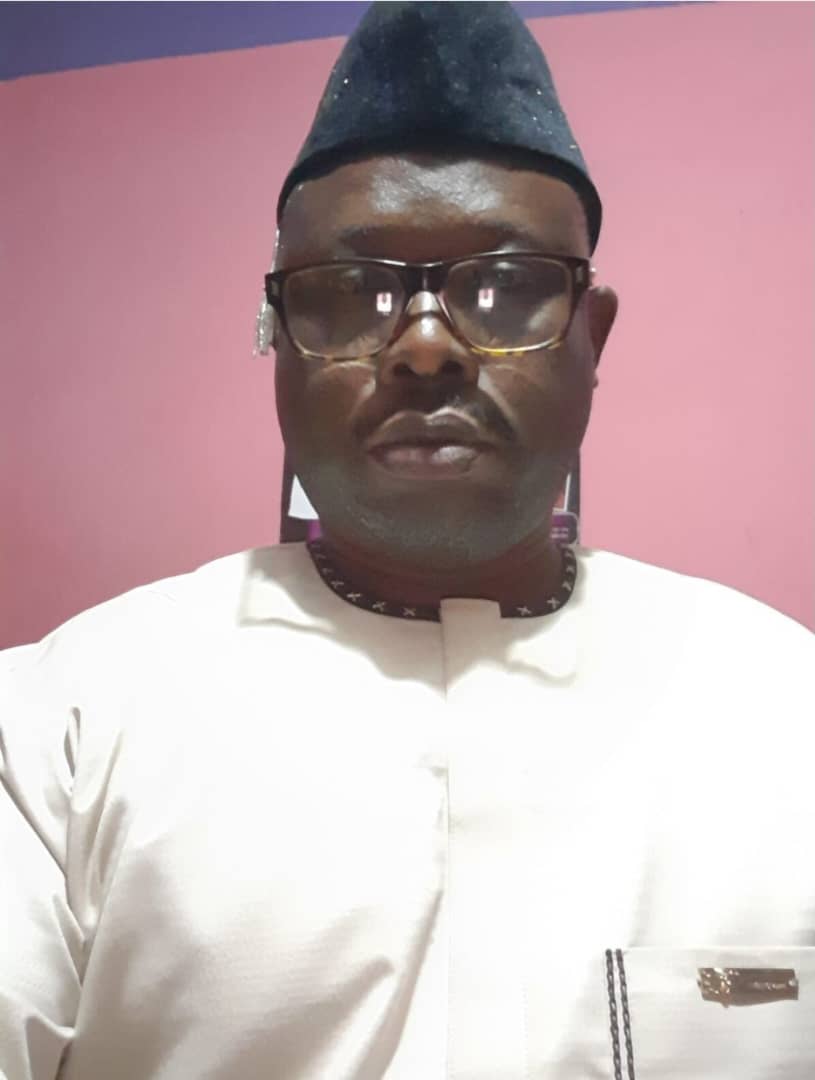
Comrade Larry O Osaweren
Head of Desk, Training and Campaigns SWAAADO
A Sector Left Behind
Nigeria’s waterways sector is vast, vital, and deeply informal. From the creeks of the Niger Delta to the lagoons of Lagos, boat and ferry operators form the backbone of water transportation in the country. Yet, according to Mr. Larry, a staggering 95 percent of boat and ferry skippers and workers operating across these waterways have had little to no formal education. They learned their trade on the water — from fathers, uncles, and community elders — not in classrooms or training academies.
“When you look at the waterways sector of Nigeria today,” Mr. Larry told Waterways News in an exclusive interview, “95 percent of boat and ferry skipper/workers are highly informal. And to formalize this sector, we need a level of education — and once you are educated, you start to think high.”
It is a statement that carries both promise and paradox. Education elevates. But in a sector where most operators have never sat through a formal school year, demanding standard educational qualifications as a prerequisite for licensing is, in the words of SWAAADO, a barrier rather than a bridge.
“95 percent of boat and ferry skippers and workers operating across these waterways have had little to no formal education. They learned their trade on the water — from fathers, uncles, and community elders — not in classrooms or training academies”
The Licensing Dilemma
At the heart of SWAAADO’s advocacy is a straightforward but deeply consequential question: how do you regulate a workforce that has been largely untouched by formal systems, without rendering their livelihoods illegal overnight?
The current regulatory framework governing Nigeria’s waterways requires operators to meet licensing standards that, while well-intentioned, do not account for the educational realities of the majority of those working on the water. For many skippers — men who have safely ferried passengers across treacherous currents for decades — the licensing process feels less like a pathway to legitimacy and more like a wall built to shut them out.
Mr. Larry is deeply aware of this tension. SWAAADO’s campaign is not a call to abandon standards. Rather, it is a call for a smarter, more humane approach to bringing order to a chaotic but critical sector.
“With the current structure in the sector today,” he explained, “paying the skippers a befitting salary becomes an issue at the immediate. But when we train the informal workers, we gradually develop the sector without going through the harshness of regulatory difficulties.”
Training as the Middle Path
What SWAAADO proposes is a graduated, training-centered model — one that meets informal operators where they are, rather than where regulators wish they were. Instead of requiring a School Certificate or its equivalent as a precondition for licensing, the organization advocates for practical competency-based assessments that test what truly matters on the water: navigation skills, safety knowledge, emergency response, and vessel maintenance.
The logic is compelling. A skipper who cannot read a textbook may still possess an intuitive understanding of tidal patterns, weather shifts, and waterway hazards that no classroom can easily replicate. The goal, therefore, should be to harness that knowledge, supplement it with structured safety training, and bring these operators into a formal framework that works for them — and ultimately protects the passengers they carry.
This approach, SWAAADO argues, also solves a critical economic problem. If formal licensing overnight disqualifies the vast majority of waterways workers, the sector faces an acute labor shortage with no immediate solution. Vessels sit idle, routes collapse, and communities that depend on water transport — especially in riverine areas where roads are poor or nonexistent — suffer the consequences.
“A skipper who cannot read a textbook may still possess an intuitive understanding of tidal patterns, weather shifts, and waterway hazards that no classroom can easily replicate”
A Gradual Revolution
According to Comrade Larry, SWAAADO’s vision is not one of revolution but of gradual, sustainable transformation. By investing in training programs designed specifically for workers with limited formal education — using visual aids, local languages, and hands-on demonstrations — SWAAADO believes the waterways sector can be formalized without the social and economic disruption that heavy-handed regulation would bring.
“We gradually develop the sector,” he said, with the measured confidence of someone who has mapped out the long road ahead. It is a philosophy rooted in patience, pragmatism, and a genuine understanding of the people the sector serves.
For the thousands of skippers who wake before dawn to move commuters, traders, and schoolchildren across Nigeria’s waters, that philosophy could mean the difference between keeping their livelihoods and losing everything to a regulatory pen stroke.
“Formalizing the waterways, is not just about issuing licenses. It is about building people — and building people takes time, care, and a willingness to meet them where they are”
The Bigger Picture
SWAAADO’s advocacy ultimately speaks to a broader challenge facing Nigeria’s transportation sector: how to bring informal workers into the fold of regulation without criminalizing poverty or punishing the absence of opportunity. The waterways, for all their chaos, represent a lifeline for millions of Nigerians. The men and women who operate them deserve a licensing framework that acknowledges their realities, respects their experience, and invests in their growth.
As Mr. Osaweren O. Larry rose to leave at the end of the interview, he left our correspondent with a thought that lingered long after the recorder was switched off. Formalizing the waterways, he suggested, is not just about issuing licenses. It is about building people — and building people, he knows, takes time, care, and a willingness to meet them where they are.
Waterways News remains committed to reporting the stories that shape Nigeria’s maritime and inland waterways sector. For inquiries and contributions, contact our editorial desk.